Is Yunnan Food Spicy? The Honest Guide for Foreign Travelers (2026)
So, you’re planning a trip to Yunnan. Snow-capped mountains, quiet ancient towns, and those unreal terraced rice fields are already on your list. Then the big question hits you — Is Yunnan food spicy?
The short answer: Yes. But that’s like saying the Grand Canyon is just a hole in the ground.
The longer answer: Yunnan’s spiciness is not a simple yes-or-no switch. It’s more like a sound mixer with dozens of knobs. It can slide all the way from a gentle, fragrant warmth to an extreme, sweat-dripping challenge. Imagine China’s spice-loving provinces as a rock band. Sichuan is the lead singer, Hunan is the loud guitarist. Yunnan? It’s the multi-instrumentalist playing all the weird, wonderful instruments you didn’t even know existed.
Let’s walk into this flavor maze together and map out what “spicy” really means here.
- Is Yunnan Food Spicy? Decoding the Four Heat Styles
- Your Yunnan Spice Level Map: From Mild to Wild
- Meeting the Ultimate Boss: The Shuanshuanla Pepper
- Yunnan vs. The Other Spice Kings
- Handy Phrases and Survival Tips for Yunnan Menus
- Beyond the Heat: Yunnan’s Flavor Treasures for the Spice-Averse
- Frequently Asked Questions About Yunnan’s Spicy Food
Is Yunnan Food Spicy? Decoding the Four Heat Styles
In Yunnan, asking “Is Yunnan food spicy?” is a bit like asking “Is European food cheesy?” You need to be more specific. The heat here wears different masks. Spotting the style is far more useful than just knowing the intensity.
Sour-Hot: The Soul of Yunnan Flavors
This is the signature you’ll run into everywhere. Unlike the deep, fermented sour broth of Guizhou, Yunnan’s sourness comes from fresh fruits like lime and green papaya. It’s bright, tangy, and makes the heat from tiny xiaomila chilies feel clean and refreshing. On a humid day, this combo instantly wakes up your appetite. The dish moves like a tropical dancer — lively and full of energy.
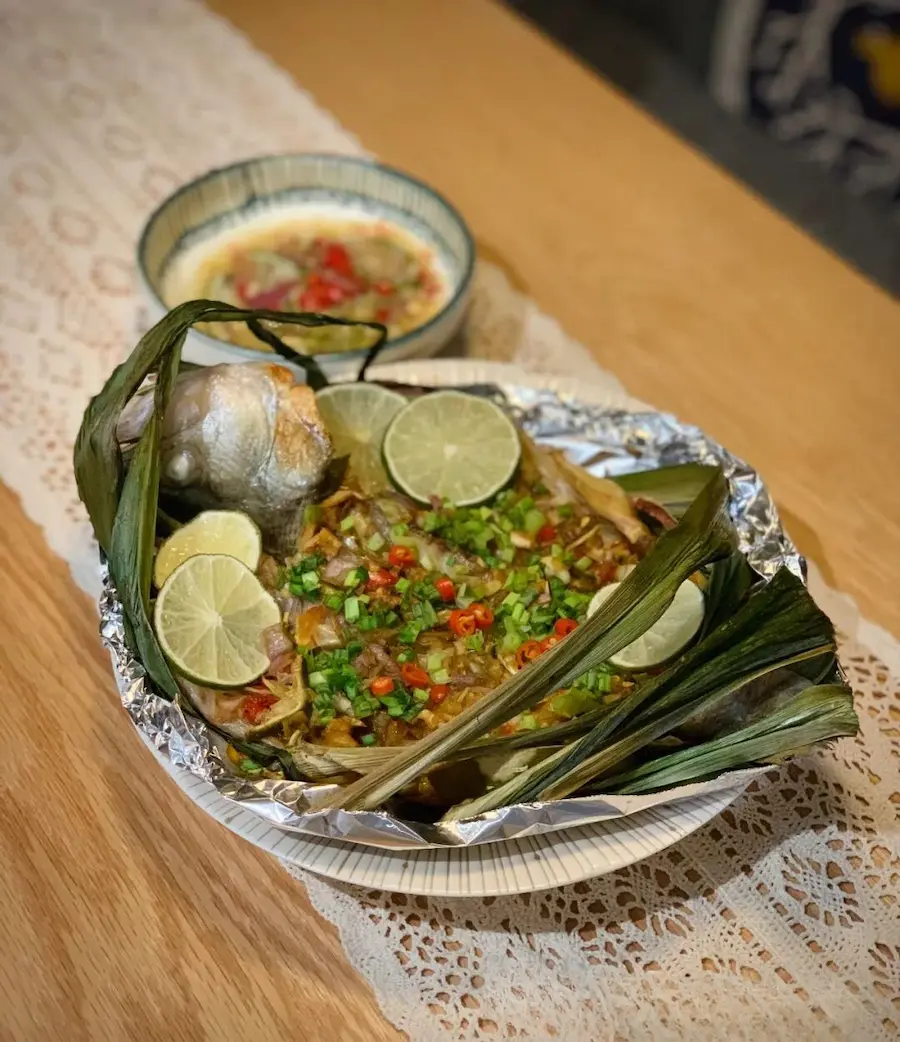
To taste it, order Dai-style grilled fish with lemongrass. The fish is stuffed with fragrant lemongrass, grilled until the skin is crisp, and served with a sour-spicy dipping sauce. That first bite tells you everything you need to know about this region’s soul.
Dry & Fragrant Heat: A Direct Punch
This one hides nothing. You see exactly what you get. Mounds of dried red chilies hit hot oil until they release a toasty, almost smoky aroma. There’s no numbing distraction, no sour tricks — just a clean, bold chili flavor that coats every piece of meat. It’s a straight shot to the taste buds.
The cult classic here is Zhanyi Chili Chicken. The real fun isn’t just eating the tender chicken chunks. It’s the treasure hunt of digging through a mountain of crimson dried chilies to find them.
The Wildcard Dip: Chili Creativity on a Plate
Yunnan cooks don’t just add chilies to food. They’ve turned chili into a universal magic powder called dip shui (dipping sauce). Grilled meats, boiled greens, tofu — everything gets dipped. Even fruit. For many foreign travelers, the biggest shock is fruit with chili powder. Raw green mango or fresh strawberry, sprinkled with salt and ground chilies. That collision of salty, spicy, sour, and sweet might just change how you think about fruit forever.
Your Yunnan Spice Level Map: From Mild to Wild
The heat varies wildly from city to city. You can practically plan your whole trip around how much adventure your tongue is ready for.
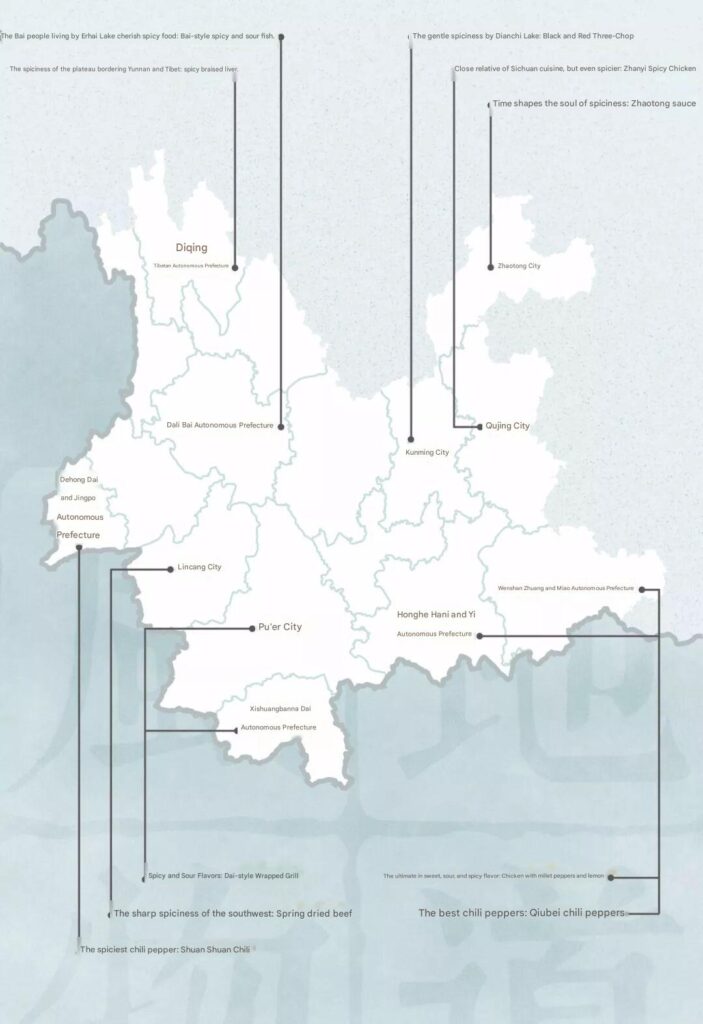
🌶️ The Beginner Zone: Kunming, Chuxiong, Yuxi
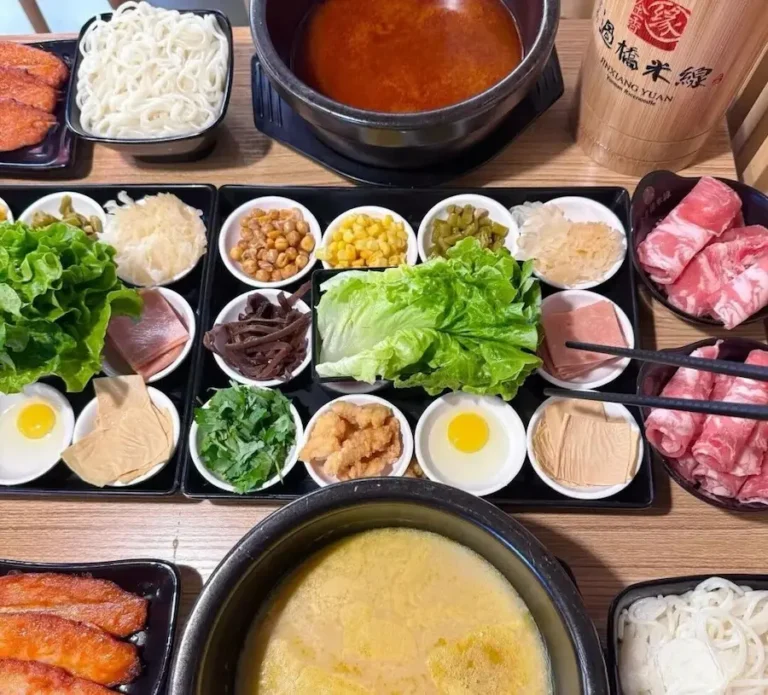
The central areas play it relatively gentle. Chili here is a supporting actor, adding a bit of fragrance without stealing the show. This is the perfect soft landing for your taste buds. Fill the table with **Steam Pot Chicken** (pure, clean umami), **Crossing-the-Bridge Noodles** (a DIY ritual), and **Black Three Chop** (a mildly savory dish of chopped chili, pork, and pickled root — a true rice killer).
🌶️🌶️ The Challenge Zone: Qujing, Zhaotong
Ready for a little more heat? The northeastern corners borrow a whisper of Sichuan’s numbing touch, but the main note is still that dry, direct fragrance. It’s a warm-up test. Along with the famous chili chicken, hunt down **Zhaotong kebab skewers**, which get their soul from a generous shake of local spices.
🌶️🌶️🌶️ The Pro Zone: Dali, Lijiang
The spice here starts to build layers. Sour, salty, a bit of numbing, and a bold chili kick all come together. The Bai people of Dali even see “spicy” as a relative of “intimacy” in their language, using it to express deep emotion. Don’t miss **Dali Sour-Spicy Fish**, made with firm local carp in a broth that’s punchy, tangy, and deeply comforting.
🌶️🌶️🌶️🌶️ The Extreme Zone: Dehong, Xishuangbanna, Pu’er
Welcome to the top league. This border region is the home of fragrant, fresh, and brutally spicy flavors. Lemongrass, lime leaves, and powerful chilies create a heat that feels both clean and dangerous. Dive into **Dai-style pounded chicken feet**, the smoky **ghost chicken** salad, or grilled fish that hums with spice.
Meeting the Ultimate Boss: The Shuanshuanla Pepper
If you make it to Dehong and feel exceptionally brave, ask a local about the legend — the Shuanshuanla pepper. This is less a meal ingredient and more an extreme local sport.
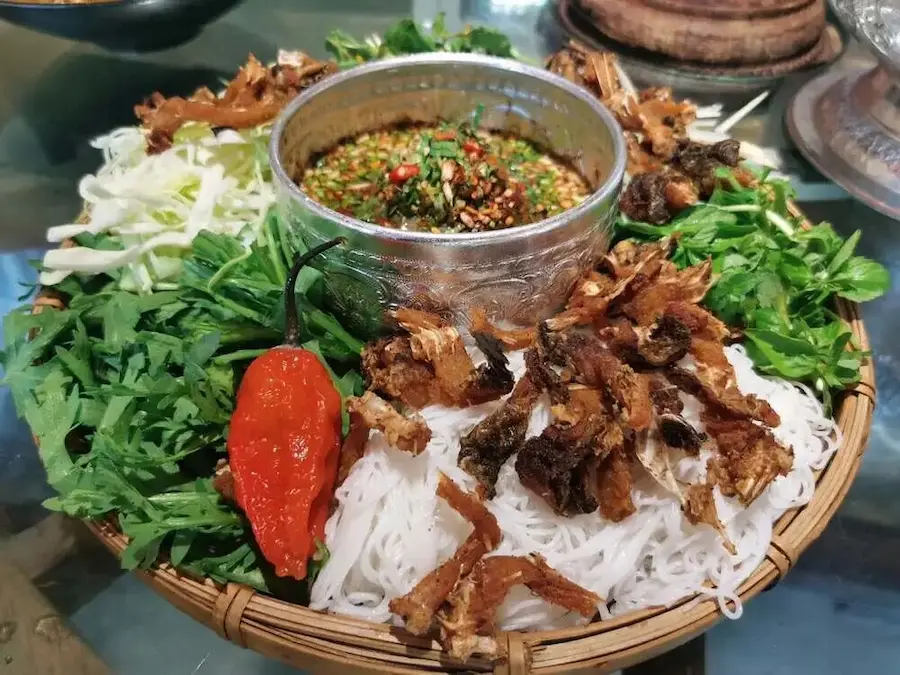
With a heat level of 444,133 SHU (Scoville Heat Units), it ranks among the hottest peppers on earth — 20 to 30 times hotter than a typical chili. Its name tells you how to use it: shuan means “to swish.” Just dip the whole pepper into a broth or dipping sauce a few times and pull it out. That’s it. That’s enough. Its other name, “elephant trunk pepper,” comes from the story that an elephant once touched it and sprinted away in panic.
A serious warning: many restaurants put up signs begging you not to eat the pepper directly. It’s not a dare. Admire it as a quirky cultural phenomenon. If you just want to show off to your friends back home, a bowl of dip sauce made with xiaomila chilies is already plenty exciting — and safely so.
Yunnan vs. The Other Spice Kings
So how does it compare once you cross the borders into other famous spice territories?
Sichuan: The Numbing Competitor
Sichuan food is all about *mala* — the tingly, buzzing numbness of Sichuan peppercorns. Yunnan’s heat stands in a parallel universe. It flirts with Sichuan styles but says no to the heavy numbness. It prefers sour punch and dry, aromatic heat.
Hunan: The Pure Fire
Hunan’s heat is a straightforward blaze. It’s pure, fierce, and uncompromising. Yunnan’s heat is more of a painter’s palette. It constantly mixes chili with tangy, sweet, or bitter notes, creating a far more layered picture.
Guizhou: The Fermented Cousin
Guizhou treasures its fermented sour soup — deep, rounded, and complex. Yunnan’s sour is younger and fresher, driven by fruit acids from lime and green papaya. It tastes sunnier, more tropical, and brighter on the tongue.
Handy Phrases and Survival Tips for Yunnan Menus
You’re no longer the tourist who only asks “Is Yunnan food spicy?” You can walk into any spot and order with way more confidence now.
“Bú yào là” — No spicy, please. It often works, but in some kitchens, the definition of “not spicy” can be flexible.
“Wēi là” — Just a tiny bit of heat. A safe, flavor-boosting choice.
Trust your nose and eyes. If you spot dried shuanshuanla peppers or smell an alarming aroma from the stall next door, don’t be shy — ask for help.
Got caught by a sneaky chili? Don’t drink water. It just spreads the fire. Grab a cold yogurt or a glass of Paoluda, a local sweet coconut milk dessert that usually costs around 10-15 RMB (about1.4to2.1 USD). Rice or a fistful of plain mantou bread also works wonders for absorbing the sting.
Beyond the Heat: Yunnan’s Flavor Treasures for the Spice-Averse
Hate spicy food? You won’t starve. Not even close. Yunnan is a treasure chest of mild, soulful flavors. The wild mushroom hotpot is pure forest magic, the Tianma herbal chicken soup is subtly sweet and nourishing, and a slice of grilled milk fan (rubing) with rose sugar is a creamy, floral dream. There’s a whole world of Yunnan cuisine waiting for you that has zero spice and maximum taste.
Frequently Asked Questions About Yunnan’s Spicy Food
Is Yunnan food spicier than Sichuan food?
Not necessarily spicier in raw heat, but different. Sichuan uses numbing peppercorns, while Yunnan focuses more on sour heat and dry, aromatic chili flavors. The feeling is distinct, and in border areas near Myanmar, the local peppers can be astronomically hotter.
What’s the mildest Yunnan dish I can order?
Steam Pot Chicken and most wild mushroom hotpots are perfect entry points. They’re served with dipping sauces on the side, so you control every grain of chili that goes in.
Are there non-spicy street foods in Yunnan?
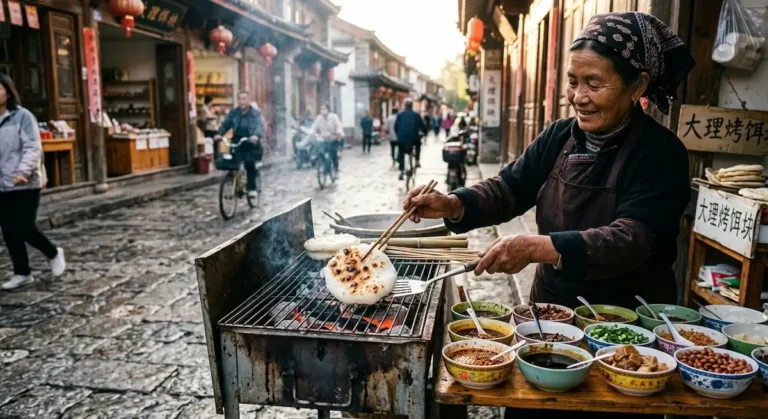
Absolutely. Grilled rice cakes, sweet flower pastries, and the incredibly rich Erkuai (a rice cake pancake) are delicious, zero-heat street snacks you’ll find everywhere.
The real beauty of this place? You don’t just eat the heat — you feel how it echoes the layered mountains, the tropical breeze, and the 26 different cultures that call this land home. So go on, take a seat at the table. The only question left is: which Yunnan flavor story will you taste first?

Ke Ping — Founder, Yunnan Travel Tips
Certified China Travel Specialist · Certificate details
This guide can become your real trip. Instead of figuring out complicated logistics alone, let me and our team build your perfect Yunnan journey — from sunrise at Meili Snow Mountain to tea tasting in ancient Dali.
📋 Plan My Yunnan Trip