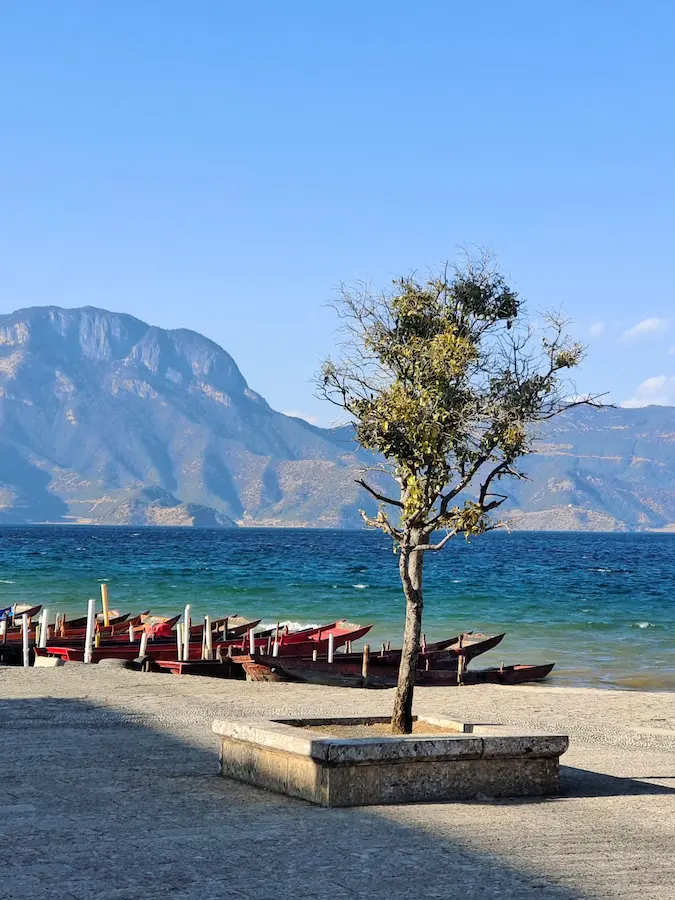
Best Month to Visit Yunnan: Your Ultimate Four-Season Guide to China’s Most Diverse Province
- Spring (March to May): Best Month to Visit Yunnan for Flower Blooms
- Summer (June to August): Cool Escape—Another Best Month to Visit Yunnan
- Autumn (September to November): Photographers, This Best Month to Visit Yunnan Is for You
- Winter (December to February): Snow, Sunshine—Yet Another Best Month to Visit Yunnan
- So when is the best month to visit Yunnan?
If you’re searching for the best month to visit Yunnan, you’re not alone—it’s a common question because this province is larger than many European countries and packs an astonishing variety of landscapes into one territory: soaring snow-capped mountains in the north, tropical rainforests in the south, and ancient towns scattered everywhere in between. Locals have a saying: “The weather changes every few miles.” And they mean it. So when you’re trying to figure out the best month to visit Yunnan, here’s the honest answer—it depends entirely on what you want to see.
This guide breaks things down by season. You’ll discover where to go, when to go, and what each month offers. I’ve also included practical tips and costs (in RMB and USD) to help you plan that perfect Yunnan adventure. For a broader overview of traveling in this incredible region, don’t miss our comprehensive yunnan travel guide.
Spring (March to May): Best Month to Visit Yunnan for Flower Blooms
Best destinations: Luoping, Dali, Shangri-La
Spring hits Yunnan like an artist gone wild with a paintbrush. The weather warms up gradually, flowers burst open everywhere, and the whole province shakes off its winter quiet. If you’re wondering about the best month to visit Yunnan for floral displays, March through May won’t disappoint.
What to See
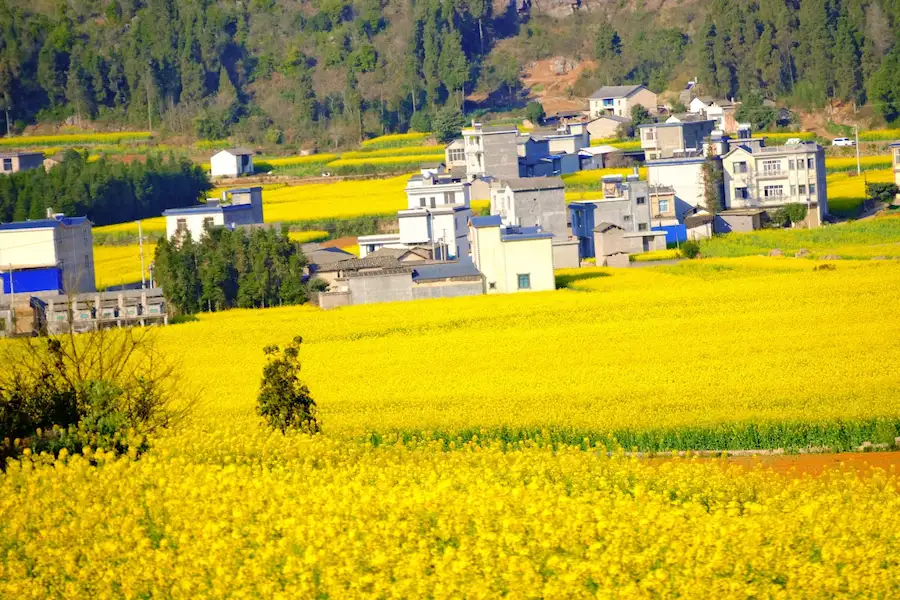
The Luoping Rapeseed Flower Sea (best from late February through March): Picture this—tens of thousands of acres of bright yellow flowers stretching between dramatic karst mountains. It’s the kind of view that makes you put your camera down after five shots because no photo could possibly do it justice. You can hike up to the viewing platforms for the big panorama, or wander the tiny paths through the flowers themselves. By mid-to-late March, some fields start developing green seed pods among the yellow, creating this incredible patchwork effect. Entrance to most viewing areas is free, though some small platforms might charge ¥20–30 ($3–4).
Cherry blossoms around Dali: Spring transforms Dali into something out of a fairytale. The ancient city already has those gorgeous tiled roofs and the majestic Cangshan Mountains as a backdrop, but add thousands of pink cherry blossoms against that piercing blue Yunnan sky? Unforgettable. Head to Dali University or the slopes around the city—locals know these spots well and they’re free to visit.
Rhododendrons in Shangri-La: As you climb higher into the mountains, spring arrives later. By late April and May, the high-altitude meadows around Shangri-La start showing off their famous rhododendrons. Hiking trails that were empty just weeks before suddenly burst with purple, pink, and white blooms.
What to Experience
Rent a bicycle and spend a day circling Erhai Lake near Dali. The 120-kilometer loop takes about 6–8 hours if you’re ambitious, but you don’t have to do the whole thing. Just pick a section, feel the warm sun on your shoulders, and stop whenever a view catches your eye. Bike rentals run about ¥30–50 ($4–7) per day.
Wander through Lijiang’s ancient town before the big tour groups arrive. The stone streets actually shine in the morning light, and Naxi grandmothers set up tiny stalls selling handmade items.
If your trip coincides with the third lunar month (usually April), you might catch the “March Fair” in Dali. It’s this massive Bai ethnic festival that’s been running for over a thousand years—think horse trading, folk performances, and enough street food to keep you busy for days.
Travel Tip: Spring days feel wonderful, but nights cool down fast. Always keep a light jacket in your daypack. You’ll thank me when the sun drops behind those mountains. And if you’re flying into Kunming first, check out our recommendations for what to do in kunming yunnan to make the most of your stopover.
Summer (June to August): Cool Escape—Another Best Month to Visit Yunnan
Best destinations: Puzhehei, Lijiang Old Town, Lugu Lake, Shangri-La
While most of China swelters through brutal heat waves, Yunnan stays refreshingly cool. Average temperatures in the northwest hover around a perfect 24°C (75°F). This is escape weather at its finest. For travelers seeking relief from the heat, summer is arguably the best month to visit Yunnan.
What to See
The lotus spectacle at Puzhehei: The name means “pond where fish and shrimp thrive” in the Yi language, and by July, this place earns that name. Lotus flowers start appearing in late June, but July brings the full show—thousands upon thousands of pink blooms covering the water. You can rent a small boat and paddle through them. Just know that other boats might ambush you with water fights. It’s all part of the experience. Boat rides cost around ¥200 ($28) for a 2–3 hour trip.
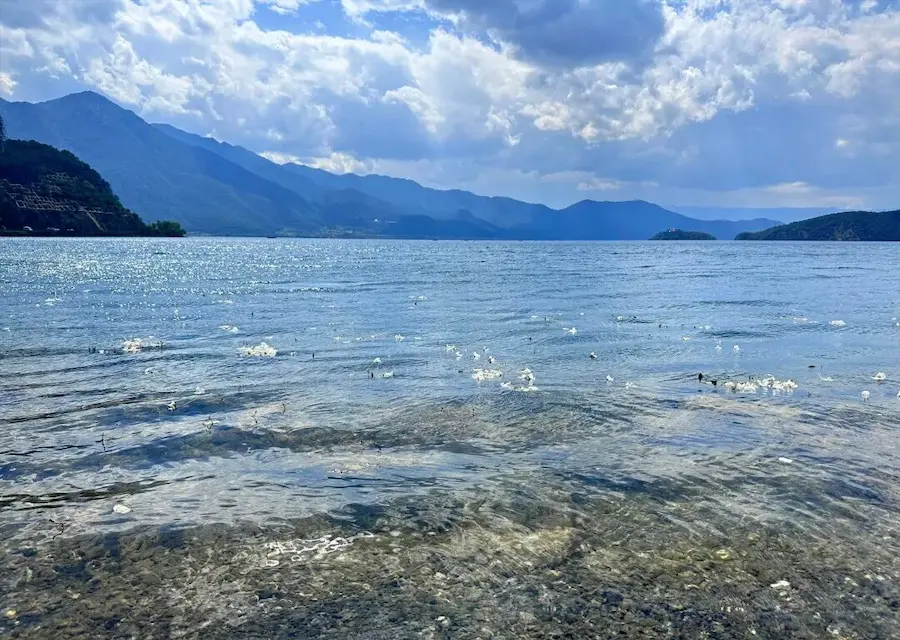
The “water flowers” of Lugu Lake: Starting in late June, tiny white flowers begin floating on Lugu Lake’s impossibly clear surface. Locals call them “water flowers” (officially they’re a type of goldenfish grass), and they create this dreamy effect—little white dots scattered across mirror-like water. Summer also brings morning mists that wrap the lake in soft layers, making the whole scene feel like a Chinese ink painting come to life. Boat tours cost ¥50–100 ($7–14) depending on the route.
What to Experience
Find a quiet café in Lijiang’s older sections and just… sit. The afternoon heat (mild as it is) makes this the perfect excuse for a long break with a good book. Better yet, head to Shuhe or Baisha—quieter ancient towns just outside Lijiang where you can experience Naxi culture without the crowds.
In Shangri-La, summer means wildflowers carpeting every meadow and the hillsides glowing green. Take a day to hike through Pudacuo National Park, China’s first national park, where the air smells like pine and wild mint. Park entrance is ¥100 ($14) plus shuttle bus.
If you’re an adventure seeker, summer is also a great time to hike tiger leaping gorge yunnan china, one of the world’s deepest and most spectacular canyons. The weather is ideal for trekking, and the views of the Jinsha River rushing between the cliffs are unforgettable.
Travel Tip: Summer brings afternoon rain showers—sometimes sudden, sometimes dramatic, but rarely lasting all day. Pack a compact umbrella. Also, even on cloudy days, the high-altitude sun will find you. Sunscreen isn’t optional here.
Autumn (September to November): Photographers, This Best Month to Visit Yunnan Is for You
Best destinations: Tengchong, Pudacuo National Park, Dali, Lijiang, Lugu Lake
Ask locals when to visit Yunnan, and most will say autumn without hesitation. The sky turns that deep, cloudless blue you usually only see in paintings. The air clears so you can see mountains from miles away. And the colors? Every shade of gold, red, and orange imaginable. For landscape photography, autumn is arguably the best month to visit Yunnan.
What to See
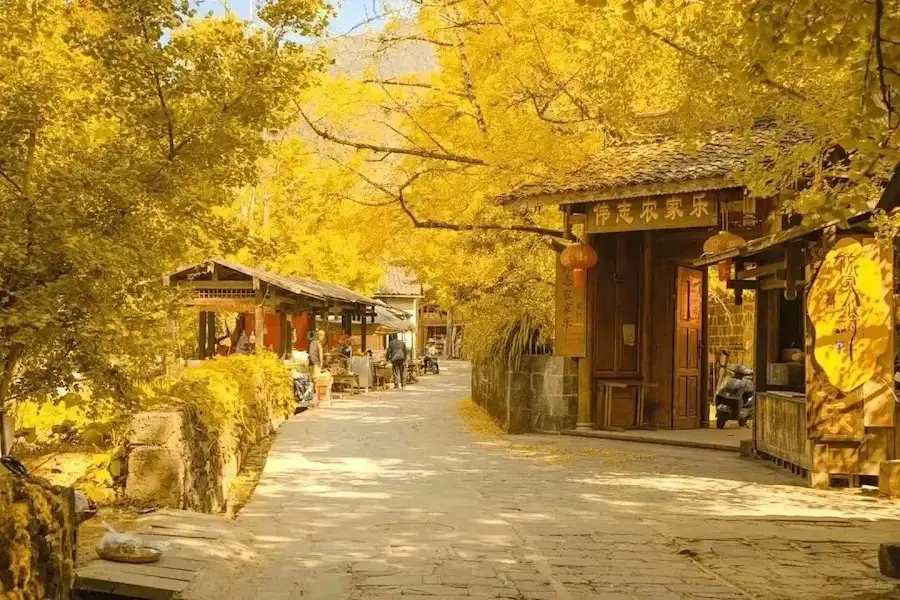
The golden fairytale of Tengchong’s Ginkgo Village: By early November, this small village transforms completely. Over 3,000 ancient ginkgo trees—some hundreds of years old—drop their leaves until the ground, the roofs, even the tables at outdoor restaurants disappear under a thick golden carpet. Walking through feels like stepping into a dream. The village gets busy, but even with crowds, the magic holds. Entrance is ¥40 ($5.50).
Pudacuo National Park’s color explosion: Autumn turns this already-beautiful park into something extraordinary. Forests that were uniformly green in summer now show every color imaginable—deep reds, bright yellows, oranges, even purples. All of it reflects in lakes so still they act like mirrors. The park limits visitor numbers to protect the ecosystem, so book ahead. Entrance plus shuttle bus runs about ¥120 ($17).
The clear light of Dali and Lugu Lake: Autumn light has this special quality—crisp, golden, perfect for photography. The water flowers are gone from Lugu Lake by now, but the blue of the water against the autumn colors and the sky makes up for it. Along Erhai Lake, the contrast between the blue water, golden fields, and white Bai minority houses creates endless photo opportunities.
What to Experience
Slow travel. That’s the phrase for autumn in Yunnan. With fewer tourists than summer (though October’s Golden Week holiday from the 1st to 7th gets busy), you can finally experience these ancient towns the way they’re meant to be experienced—quietly, without rushing.
Rent a room with a view in Dali’s old town, wake up early to watch the sun hit Cangshan Mountain, spend afternoons wandering without any particular destination. This is the season for that.
While you’re in the area, consider a side trip to the otherworldly yunnan stone forest china, a UNESCO World Heritage site where limestone formations rise from the earth like petrified trees. It’s about a 90-minute drive from Kunming and makes for an excellent day excursion.
Travel Tip: Days stay comfortable, but high-altitude places like Shangri-La drop below freezing at night. Pack warm layers. And yes, keep using that sunscreen.
Winter (December to February): Snow, Sunshine—Yet Another Best Month to Visit Yunnan
Best destinations: Xishuangbanna, Yuanyang Rice Terraces, Lijiang, Dali’s Nuodeng Ancient Village
Winter in Yunnan offers something genuinely magical—the chance to experience both winter wonderlands and summer warmth in a single trip, just hours apart. If you’re torn between cold and hot destinations, winter might be the best month to visit Yunnan for its sheer diversity.
What to See
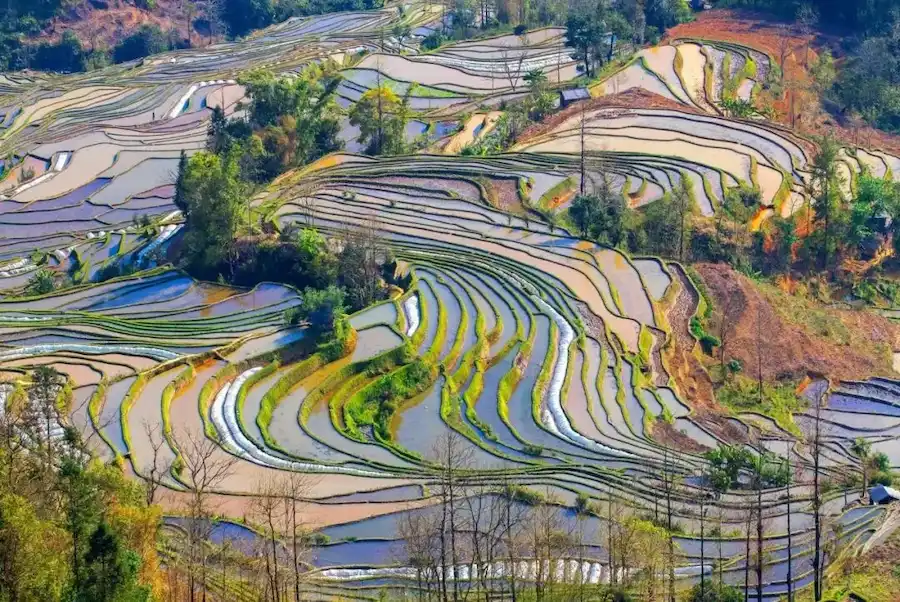
The mirror magic of Yuanyang Rice Terraces: For over 1,300 years, the Hani people have carved these terraces into the mountains. In winter, the farmers flood the fields to prepare for the next growing season. The result? Thousands of mirrors covering entire mountainsides, each one reflecting the sky. At sunrise and sunset, these reflections catch every color—pinks, oranges, purples, golds. Photographers from around the world make pilgrimages here. Multi-day entrance tickets cost ¥100 ($14).
Xishuangbanna’s tropical warmth: While northern Yunnan deals with snow, Xishuangbanna (China’s only true tropical rainforest region) stays at a perfect 15–25°C (59–77°F). This is winter escape at its finest—think palm trees, Buddhist temples that look straight out of Thailand, night markets sizzling with exotic foods, and the chance to see wild elephants at the Wild Elephant Valley. Park entrance is ¥65 ($9) plus ¥50 ($7) for the cable car if you want the full experience.
Snow mountains in Lijiang and Shangri-La: Winter brings crystal-clear skies, which means your chances of seeing “sunshine on golden mountain”—that moment when sunrise hits a snow peak and turns it gold—go way up. Jade Dragon Snow Mountain near Lijiang and Meili Snow Mountain near Shangri-La both put on spectacular shows. Just be prepared for real cold at these altitudes. Jade Dragon Snow Mountain cable car tickets run ¥120–180 ($17–25) depending on which route you take.
What to Experience
Hit the night markets in Xishuangbanna wearing shorts and flip-flops while eating grilled fish wrapped in banana leaves and drinking cold beer. It’s December. You’re in China. It feels like summer. This never gets old.
Visit Nuodeng Ancient Village near Dali—a thousand-year-old Bai minority village that stayed hidden from mass tourism until recently. You might recognize it from “A Bite of China,” the documentary series that featured their famous ham. Winter is when locals make this ham, hanging meat in traditional stone houses to cure slowly in the mountain air. The village itself sits in this incredible location, surrounded by mountains that locals say form a “Tai Chi” pattern with the river below.
Travel Tip: Winter means packing for two climates. For Lijiang and Shangri-La: heavy down jacket, hat, gloves, thermal layers. For Xishuangbanna: shorts, t-shirts, sandals. For Yuanyang: warm layers (mornings at the viewpoints get bitterly cold, but afternoons warm up). If you’re heading to Shangri-La, give yourself a day to adjust to the altitude and consider bringing medication just in case.
So when is the best month to visit Yunnan?
That depends on what you’re looking for:
Want flowers and perfect spring weather? March to May—clearly the best month to visit Yunnan for blossoms.
Need to escape summer heat and don’t mind afternoon rain? June to August—a strong contender for best month to visit Yunnan if you love lush green landscapes.
Dreaming of golden landscapes and crystal-clear photography light? September to November—many photographers swear this is the best month to visit Yunnan.
Chasing snow mountains or tropical warmth while the rest of the world freezes? December to February—undoubtedly the best month to visit Yunnan for winter variety.
Yunnan doesn’t have a bad season. It just has different gifts to offer throughout the year. Pick the one that speaks to what you love, pack for the conditions (and for heaven’s sake, bring sunscreen), and come experience this place. Wondering how many days to spend in yunnan? A typical itinerary ranges from 5 to 14 days depending on how many regions you want to cover—but honestly, you could easily spend a month here and still crave more.
The mountains are waiting.